Stirling student wins prize for developing AI-powered crop tool for farmers
Yetunde Adeyemo was supported by the University’s Enterprise Programme, which provides space, mentorship and funding opportunities for entrepreneurs.
/filters:format(webp)/filters:no_upscale()/prod01/cdn/media/stirling/news/news-centre/2026/oct-26/1200X630-banner-image-Converge-Awards-2026.jpg)
A University of Stirling student has won a national award for developing an AI-powered tool to help farmers make more profitable crop protection choices.
Stirling Business School Masters student Yetunde Adeyemo combined visual diagnostics with real-time weather and market data to launch the crop decision app.
The MSc Business Analytics student, who is originally from Nigeria, was supported by the University of Stirling’s Enterprise Programme – which provides space, mentorship and funding opportunities for entrepreneurs.
Yetunde won the KickStart Entrepreneurial Spirit Award and a £5,000 cash prize at the Converge Awards, which celebrate research commercialisation and entrepreneurship.
Impactful business tool
One of 34 finalists at the awards, held on Thursday evening in Glasgow, Yetunde said: “It was an honour to win at the Converge Awards. Studying at Stirling Business School has helped sharpen my skills in taking a product from idea to launch, and using data analytics to deliver for the agricultural sector. It’s great to see that acknowledged, and I’m thankful for the support from the Enterprise Programme.”
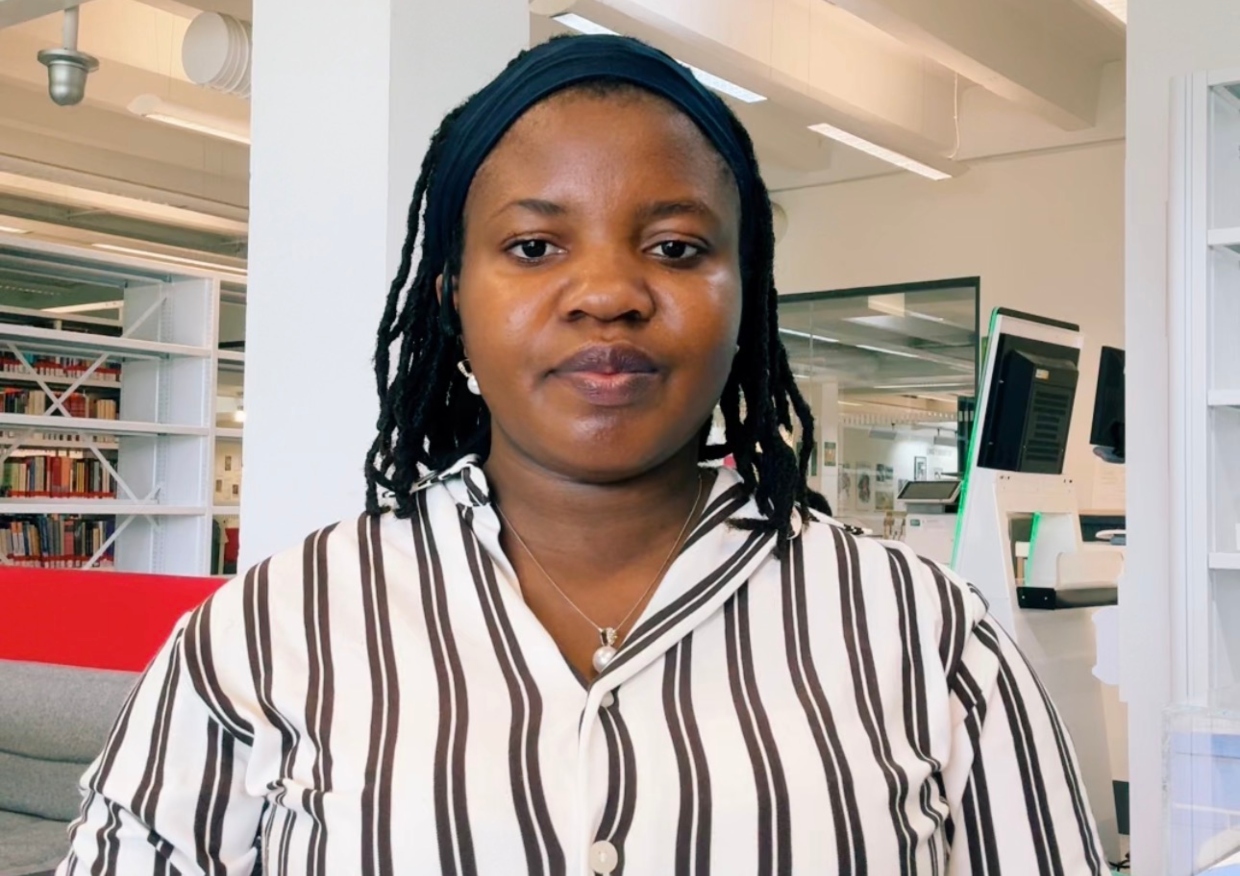 Yetunde Adeyemo was one of 34 finalists at the Converge Awards.
Professor Kevin Grant, Executive Dean of Stirling Business School, said: “Huge congratulations to Yetunde for her win at the prestigious Converge Awards. Our research makes a difference to business and society, and we work closely with entrepreneurs to do that. It’s a delight to see one of our students come up with such a brilliant and impactful business tool.”
This year, Converge was celebrating 15 years of empowering university entrepreneurs. Twenty innovators from 12 institutions shared a prize fund of more than £410,000.